Air Freight vs Sea Freight: The Ultimate Comparison
Making the right choice between air and sea freight can save you thousands while ensuring your cargo arrives on time. Here's everything you need to know to make an informed decision.

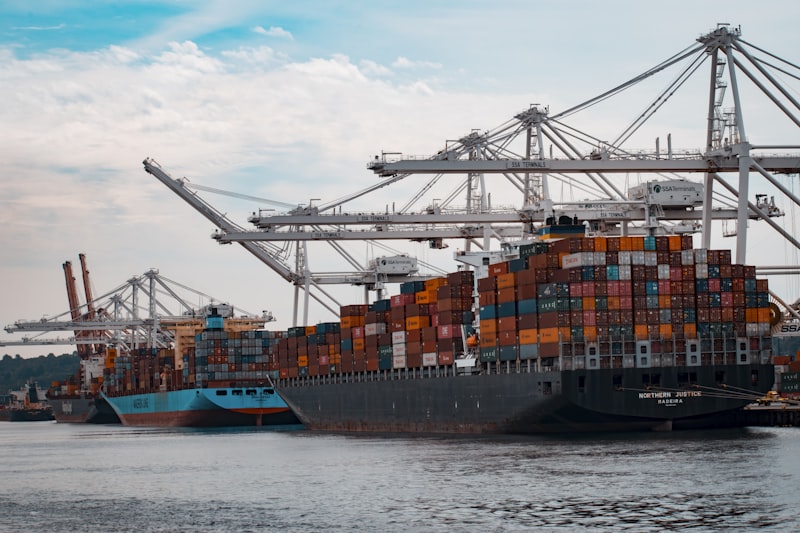
Table of Contents
Introduction
Choosing between air freight and sea freight is one of the most critical decisions in international shipping. Each mode has distinct advantages and trade-offs that can significantly impact your bottom line, delivery times, and customer satisfaction.
According to industry data, air freight accounts for less than 1% of global cargo by volume but represents over 35% by value. This highlights its role in transporting high-value, time-sensitive goods despite higher costs.
This comprehensive guide breaks down the key differences, helping you understand when to use each shipping method for optimal results.
Air Freight Overview
Speed & Reliability
Air freight is the fastest way to ship goods internationally. With average transit times of 1-7 days depending on the destination, it's ideal for urgent shipments and time-critical cargo.
Advantages
- • Ultra-fast delivery times
- • High reliability and predictability
- • Less packaging required
- • Lower insurance costs
- • Reduced warehousing needs
Disadvantages
- • Significantly higher costs
- • Weight and size restrictions
- • Limited capacity availability
- • Higher carbon footprint
- • Strict hazmat regulations
Air freight works best for products like electronics, pharmaceuticals, perishable goods, fashion items, and emergency spare parts where speed justifies the premium price.
Sea Freight Overview
Cost-Effective Volume
Sea freight handles over 90% of global trade by volume, making it the backbone of international commerce. It's economical for large shipments and non-urgent cargo.
Advantages
- • Extremely cost-effective
- • No practical size/weight limits
- • Handles all cargo types
- • Eco-friendly option
- • Established global routes
Disadvantages
- • Slow transit times (weeks)
- • Weather-dependent delays
- • Port congestion issues
- • Complex documentation
- • Higher warehousing costs
Ocean freight is perfect for furniture, vehicles, raw materials, bulk commodities, and any products where cost savings outweigh the longer transit time.
Head-to-Head Comparison
| Factor | Air Freight | Sea Freight |
|---|---|---|
| Speed | Excellent 1-7 days globally | Slow 15-45 days depending on route |
| Cost | High $4-8 per kg | Low $0.5-2 per kg |
| Capacity | Limited Max 100-150 tons per flight | Unlimited 1000s of containers |
| Environmental Impact | High 500g CO2 per ton-km | Low 10-40g CO2 per ton-km |
| Reliability | Very High 99%+ on-time rate | Good 95%+ but weather dependent |
| Cargo Types | Restricted Size, weight, hazmat limits | Flexible Almost any cargo type |
When to Use Each Method
Choose Air Freight When:
- You need delivery within 1-7 days
- Shipping high-value goods
- Dealing with perishables
- Meeting urgent deadlines
- Shipment is under 500kg
Choose Sea Freight When:
- Cost is the primary concern
- Shipping large volumes/bulk
- You have 4+ weeks lead time
- Heavy or oversized cargo
- Sustainability is important
Cost Analysis
Example Scenario
Shipping 1000kg of electronics from Shanghai to New York
Air Freight
Sea Freight
Potential Savings: $6,150 (83% reduction) by choosing sea freight
However, consider inventory holding costs and time-to-market value when making your decision.
Conclusion
The choice between air and sea freight isn't always straightforward. It depends on your specific needs, budget constraints, and business priorities. Many companies use a hybrid approach, leveraging both modes strategically.
For time-critical, high-value shipments, air freight's speed and reliability justify the premium cost. For bulk orders and non-urgent cargo, sea freight's cost-effectiveness makes it the clear winner.
Work with experienced logistics partners who can help you analyze your options and choose the optimal shipping method for each situation. The right decision can save thousands while maintaining excellent service levels.
Need Help Choosing the Right Shipping Method?
Our freight experts can analyze your needs and recommend the best solution.
Get Free Consultation