Customs Clearance Best Practices: Your Complete Guide
Master the complexities of international customs clearance with proven strategies that save time, reduce costs, and ensure compliance. Avoid costly mistakes and delays with expert guidance.
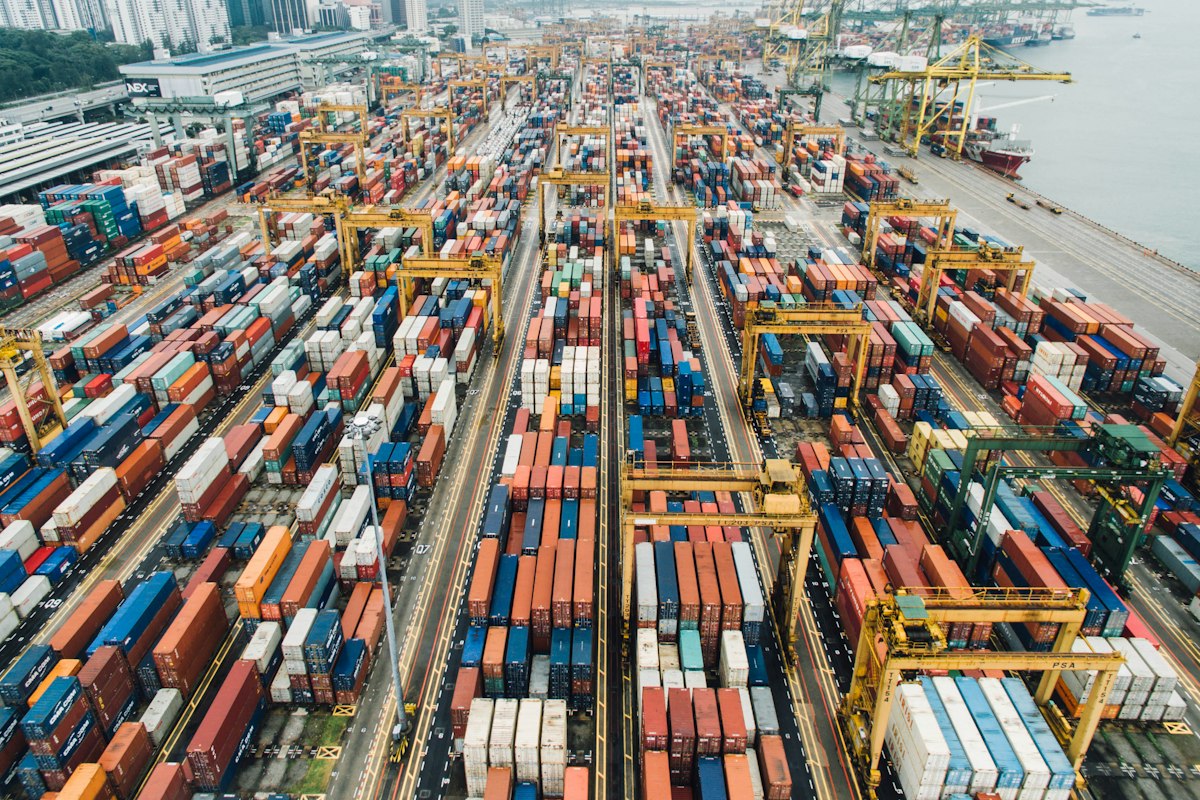
Did you know? Customs delays cost businesses an average of $50,000 per incident in lost productivity and storage fees.
Table of Contents
Introduction
Customs clearance is one of the most critical—and potentially challenging—aspects of international trade. Whether you're a seasoned exporter or new to global commerce, navigating customs regulations requires meticulous attention to detail and comprehensive knowledge of requirements.
According to World Bank data, customs clearance delays account for an average of 30-40% of total shipping time in many developing countries. Even in developed nations, improper documentation or classification errors can result in costly delays, storage fees, and penalties.
This comprehensive guide provides actionable best practices to streamline your customs clearance process, ensure compliance, and avoid common pitfalls that plague international shippers.
Understanding Customs Clearance
What is Customs Clearance?
Customs clearance is the process of declaring goods to customs authorities when entering or exiting a country. It involves submitting required documentation, paying applicable duties and taxes, and obtaining official permission to import or export goods.
Declaration
Formal statement of shipment details, value, and classification
Assessment
Customs reviews docs and may inspect physical goods
Release
Payment of duties/taxes and clearance for delivery
Essential Documentation
Proper documentation is the foundation of smooth customs clearance. Missing or incorrect paperwork is the #1 cause of delays. Here are the essential documents you'll need:
Commercial Invoice
AlwaysDetailed statement of transaction between buyer and seller
Packing List
AlwaysComplete inventory of shipment contents and packaging
Bill of Lading
AlwaysContract between shipper and carrier
Certificate of Origin
OftenDocuments country where goods were manufactured
Import License
SometimesGovernment permit for restricted goods
Insurance Certificate
RecommendedProof of cargo insurance coverage
Important Note
Document requirements vary by country, product type, and trade agreement. Always verify specific requirements with destination country customs or your broker.
Best Practices for Success
Accurate Classification
Use correct HS codes for all products
- Consult the Harmonized Tariff Schedule
- Get binding rulings for complex items
- Review codes annually for updates
- Document your classification rationale
Complete Documentation
Ensure all paperwork is accurate and complete
- Double-check all product descriptions
- Verify quantities and values
- Include all required certifications
- Keep digital and physical copies
Valuation Accuracy
Declare correct customs value
- Include all costs in FOB value
- Document transfer pricing
- Keep supporting invoices
- Be consistent across shipments
Regulatory Compliance
Stay current with customs regulations
- Monitor regulatory changes
- Join industry associations
- Subscribe to customs updates
- Conduct regular compliance audits
Common Mistakes to Avoid
Learning from common errors can save you time, money, and headaches. Here are the most frequent customs clearance mistakes and how to avoid them:
| Mistake | Impact | Solution |
|---|---|---|
| Incorrect HS Codes | Delays, penalties, wrong duty rates | Use professional classification services and verify codes regularly |
| Missing Documentation | Shipment holds, storage fees, customer dissatisfaction | Create a checklist and verify all docs before shipping |
| Undervaluation | Severe penalties, criminal charges, shipment seizure | Always declare accurate values and keep supporting documentation |
| Poor Record Keeping | Audit difficulties, compliance issues, fines | Maintain organized records for minimum 5 years |
| Ignoring Updates | Non-compliance, unexpected costs, delays | Subscribe to customs newsletters and work with brokers |
Technology Solutions

Modernize Your Customs Process
Technology is transforming customs clearance from a paper-heavy manual process to a streamlined digital experience. Modern solutions offer significant advantages:
Automated Classification
AI-powered systems can suggest HS codes based on product descriptions, reducing classification errors and saving hours of manual research.
- • 95%+ accuracy rates
- • Instant code suggestions
- • Built-in validation
Digital Documentation
Cloud-based systems store and manage all customs documents digitally, enabling real-time collaboration and eliminating lost paperwork.
- • Centralized document repository
- • Version control & audit trails
- • Mobile access anywhere
Compliance Management
Automated compliance checks flag potential issues before submission, dramatically reducing the risk of penalties and delays.
- • Real-time regulation updates
- • Automated risk assessment
- • Compliance reporting
Integration Platforms
Connect directly with customs authorities' systems for electronic filing and real-time status updates on clearance progress.
- • Direct API connections
- • Instant submission confirmation
- • Real-time tracking
Investing in customs technology delivers ROI through faster clearance times, reduced errors, lower compliance costs, and improved visibility across your supply chain.
Conclusion
Mastering customs clearance is essential for successful international trade. While the process can seem daunting, following best practices and leveraging modern technology makes it manageable and efficient.
Key takeaways: maintain accurate documentation, use correct classifications, stay current with regulations, and work with experienced customs brokers. These fundamentals will serve you well regardless of what you're shipping or where it's going.
Remember that customs clearance is not just about compliance—it's a strategic advantage. Companies that excel at customs processes enjoy faster delivery times, lower costs, and happier customers.
Pro Tip: Build relationships with your customs broker
A knowledgeable broker who understands your business can anticipate issues, suggest optimizations, and become an invaluable partner in your international expansion.
Need Expert Customs Clearance Support?
Our experienced customs team handles documentation, compliance, and clearance for seamless imports.
Contact Our Experts